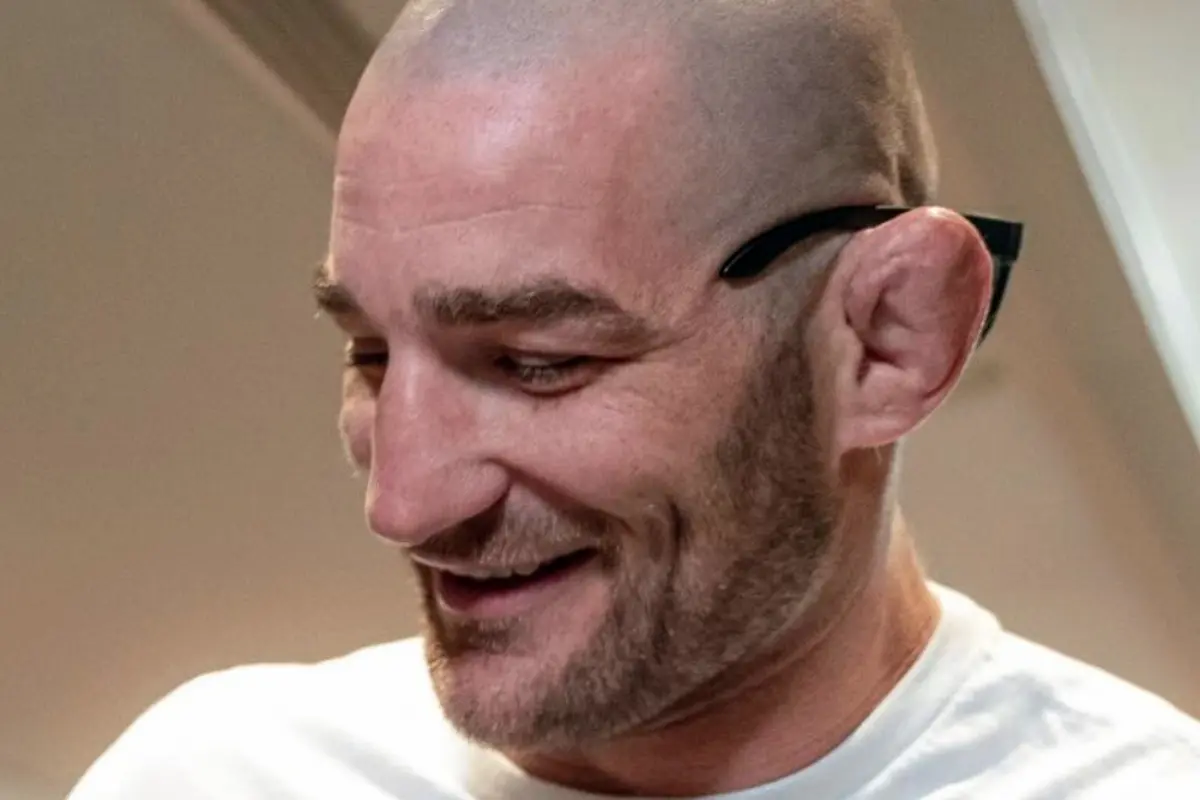
According to Islam Makhachev, the person who might mess up Khamzat Chimaev’s script at UFC 328 isn’t a typical opponent. It’s Sean Strickland, and the reason is tactical, not just hype. In fact, as Jogo Hoje sources pointed out, the main-event narrative is getting a late style curveball.
This is the kind of matchup that forces you to think in phases: entry, defense, scramble, and what happens when the fight refuses to stay where the favorite wants it. And Makhachev, speaking in an interview with Red Corner MMA on May 8, didn’t talk like a guy guessing. He talked like someone reading a chessboard.
What Makhachev said and why the reading stood out
Makhachev’s core message is simple: Strickland’s aggression and his willingness to fight back on the feet could be a problem for Chimaev’s overall plan. The champion’s angle was that Chimaev may struggle to impose a full wrestling rhythm if Strickland keeps making the fight uncomfortable in the clinch and right after takedown attempts.
When Makhachev contrasted Strickland with the recent benchmark, he didn’t hide the film-room logic. He said the key difference is getting up and resetting the exchange—because that’s where Chimaev’s pressure in cage can start paying rent to the wrong guy.
And let’s be honest: if you’re Chimaev, you want defense of takedown to be a tax your opponent can’t keep paying. But if Strickland’s takedown defense is paired with fast retrieval, then every attempt turns into a scramble, and suddenly your stamina math changes.
The comparison with Dricus Du Plessis
Here’s where Makhachev sharpened the knife. He compared Strickland to Dricus Du Plessis, arguing that Du Plessis ended up in a position where he couldn’t get back to his feet. That’s the nightmare scenario for anyone facing a high-level pressure machine: you’re not just defending; you’re stuck.
Makhachev’s line, in essence, was that Strickland won’t “stay there.” He expects a different reaction after the first big attempt, with the American working his way up, staying upright, and fighting back instead of giving up the next sequence.
From a tactical standpoint, that’s huge for control and transition. If Strickland can break the chain and deny long runs of control posicional, Chimaev loses the luxury of building offense from settled positions. And if the fight keeps restarting with striking in volume exchanges, that’s when the underdog’s game plan stops looking like a prayer and starts looking like a plan.
Strickland’s technical trump card in Makhachev’s view
The “trump card” isn’t just toughness. It’s the way Strickland can force Chimaev into repeated ground transitions without clean payoff. Think about it: when offensive wrestling meets a guy who refuses to stay down, the grappling becomes expensive.
Makhachev’s read leans on three recurring junctions in fight math:
- Defense of takedown that doesn’t just block, but buys time for the next scramble.
- Scramble recovery that turns a failed entry into a reset, instead of a trapped disadvantage.
- Striking in volume once Strickland is back upright, where he can punish hesitation and force Chimaev to re-commit to entries.
Put it together and you get the real threat to Chimaev’s comfort. Chimaev can be dangerous when he’s dictating the pace and the geography. But if Strickland keeps denying easy control posicional and repeatedly forces transitional wrestling, the chechen’s “inevitable” path becomes less linear.
And yes, there’s a second layer that matters: offensive wrestling isn’t only about taking down. It’s about what you do next, and whether you can maintain the angles while the opponent scrambles and stands. Makhachev’s belief is basically that Strickland’s get-up rate and willingness to re-engage will make “win by grappling” harder than it looks on paper.
The rivalry’s weight and the trash-talk on fight week
Still, this isn’t just X’s and O’s. Makhachev also injected a psychological angle, and that’s where the story turns polêmica. He questioned Strickland’s mental steadiness, pointing to behavior he described as “unhinged,” especially when cameras are rolling and the provocations intensify.
In his perspective, Strickland can appear different in public moments. Makhachev said that in private conversations, he didn’t sense animosity, but on camera the emotions boil over. For fight week, that’s not a minor detail. Fighters who chase the moment can either elevate their output or lose composure at the exact wrong time.
So we have to ask: if Strickland’s intensity helps him survive the grappling phase, does it also make him vulnerable to timing? If Chimaev catches a mistake during a scramble or during a too-aggressive re-entry, the fight can flip fast. But if Strickland’s pressure in cage style and refusals to fold keep him in the pocket long enough to land, then the “descontrol” narrative becomes, ironically, fuel.
What this analysis changes for the expectation
Going into UFC 328, the usual storyline is that Chimaev is the invincible force and Strickland is the obstacle. Makhachev’s read complicates that. He’s effectively telling us that the matchup’s hardest phase may be the one people overlook: the moment after a takedown attempt, when defense of takedown either becomes a wall or a door.
If Strickland can keep forcing scrambles and returning to the feet, Chimaev may spend rounds chasing positional control rather than building dominance. And once the fight starts paying more in striking exchanges, striking in volume becomes the swing factor—because the guy who can keep output steady forces the grappler to choose between risk and retreat.
In other words, the “underdog” tag might hide the real tactical question: can Chimaev solve the get-up problem early, or will the fight keep slipping into Strickland’s preferred rhythm?
O Veredito Jogo Hoje
Our take at Jogo Hoje is that Makhachev didn’t just praise Strickland—he mapped a path to trouble. If Chimaev can’t lock control posicional after entries, and Strickland keeps winning the scramble-to-feet transition, the main event becomes less about dominance and more about durability under pressure in cage. That’s the kind of matchup where “favorite” doesn’t mean “automatic,” and where wrestling offense has to work harder than expected.
Perguntas Frequentes
What did Islam Makhachev say about Sean Strickland?
Makhachev said he expects Strickland to pose a difficult challenge because he won’t accept being controlled on the ground and should keep getting up to fight back.
Why does Makhachev think Strickland can complicate Chimaev?
Because Strickland’s takedown defense and scramble recovery can deny long control posicional, forcing repeated ground transitions and increasing the chances of striking in volume exchanges once he’s back on his feet.
Who is favored between Khamzat Chimaev and Sean Strickland at UFC 328?
Publicly, Chimaev is typically viewed as the favorite due to his unbeaten momentum, but Makhachev’s comments suggest Strickland’s style could be the kind that makes the matchup far tougher than expected.