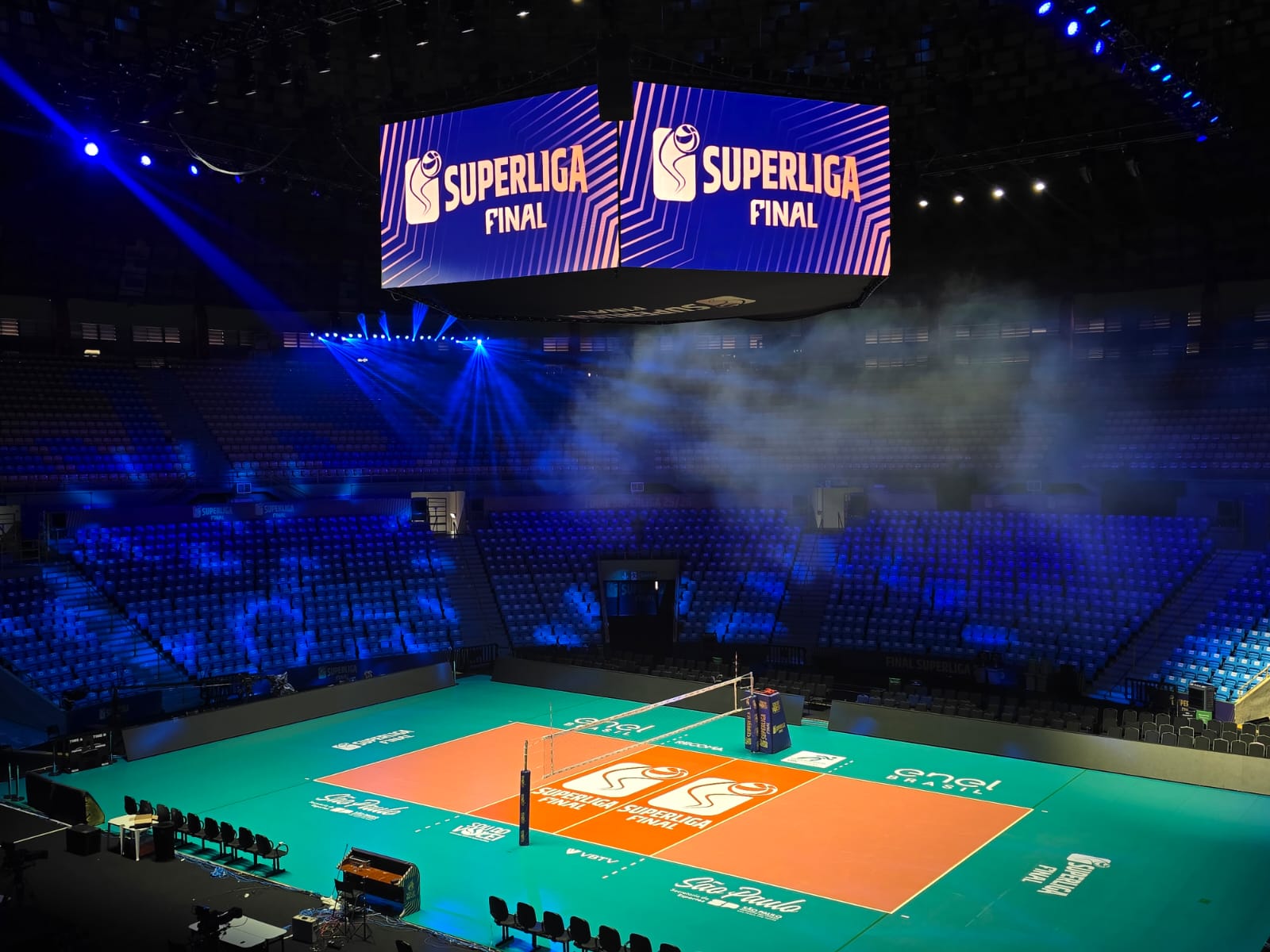
According to Jogo Hoje, the build-up to Sunday’s title-decider is already screaming one thing: Vôlei Renata are not just in another final—they’re in their third straight Superliga Men finale, and that kind of consistency doesn’t happen by accident. At the Ibirapuera Gymnasium, against Sada Cruzeiro, this project is chasing a level of stability so high the league’s own history keeps it on a short list.
In a competition that’s been running for 30 years, only the fourth project to reach three consecutive finals lives this close to the trophy. So yeah, we’re talking real separation in the data, not just vibes.
The historical lift: why three straight finals is so rare
Let’s get nerdy for a second—because the numbers here are loud. Reaching a Superliga final once is hard. Reaching it twice means your squad survives injury cycles, tactical counters, and the kind of pressure that makes even top servers choke on timing. Reaching it a third time in a row? That’s where the league starts filtering out the “good teams” and keeping only the projects with repeatable process.
That’s why this Sunday’s decision in single match at the Ginásio do Ibirapuera feels different. The Renata core isn’t just peaking; it’s sustaining. And if you’ve watched this league long enough, you know what that usually predicts: when the match tightens, the team that has the same entrosamento and the same mental routines tends to win the small battles—especially the ones that start before the ball even crosses the net.
The core that keeps carrying the project through seasons
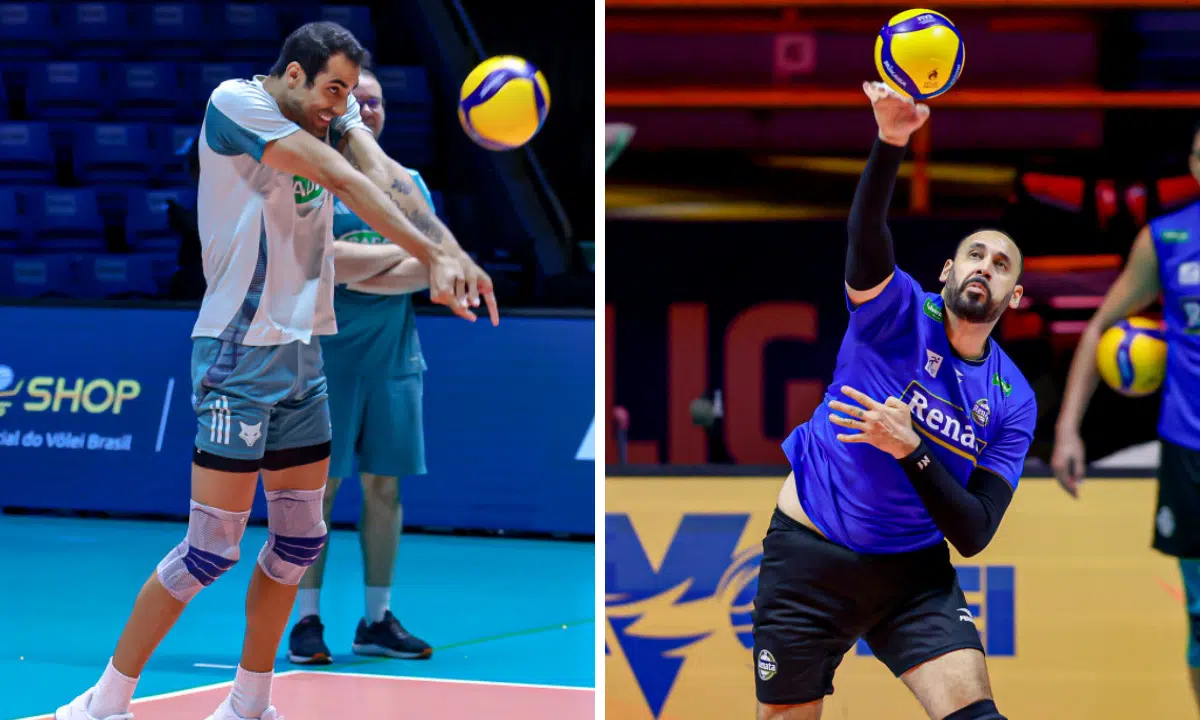
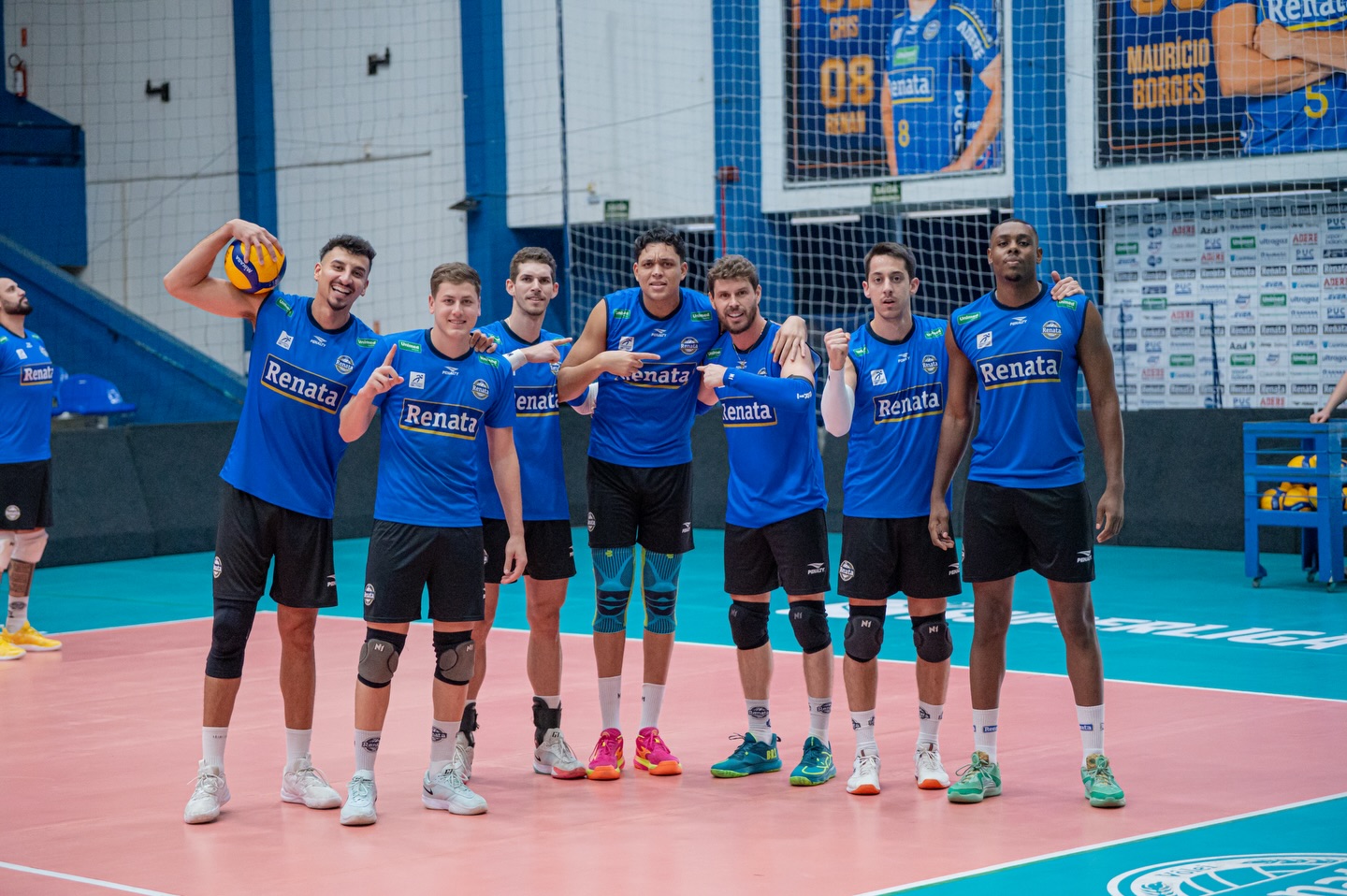
Here’s the part that matters more than the trophy talk. The third consecutive run is powered by a stable núcleo do elenco, with five names that have been in the three decisions. Adriano, Wítallo, Lukinha, Maurício Borges, and Bruno Lima aren’t just “important players”—they’re the continuity engine.
And continuity has measurable consequences. Lukinha, for example, has logged more than 200 games with the project. That’s not a stat line; it’s a compatibility map. When a libero’s reading of the opponent’s serve patterns gets that deep, the whole system benefits. You don’t just “receive”—you manage risk.
Speaking of reception, Lukinha’s official numbers put him above 67% effectiveness in recepção. That’s the kind of efficiency that turns chaotic rallies into organized offense. It’s also the kind of metric coaches dream about in the final stage, because the opponent’s best weapon—serve pressure—has less room to create panic.
Maurício Borges brings the other half of the story: volume and reliability. He played 25 of 26 Superliga matches for Renata, which basically means he’s been present for the vast majority of the reps that build the game’s automatic timing. In single-match decisions, where one error snowballs, presence matters.
The passing line as Renata’s hidden weapon
If you want the quiet detail that most casual fans miss, it’s this: Renata’s linha de passe is basically a known quantity. The passing line built around Adriano, Maurício Borges, and Lukinha has become the team’s control room. And the control room shows up in both play quality and defensive organization.
In the official statistics, Lukinha sits among the top passers, with that 67%+ reception effectiveness. Borges, meanwhile, has been posting pass numbers that hover near the 60% zone across his work rate. Put those inputs together, and the team’s overall profile climbs toward roughly 60% passe AB, the kind of ball quality that lets your attackers run faster tempos instead of surviving on scraps.
That’s why the trio’s trust is so dangerous. When the ball gets to the setter with the right timing, the whole rotation looks cleaner. When the ball arrives a little off, that same trio’s communication and reading keep the entrosamento intact instead of collapsing into improvisation.
What changed from last final—and why it still fits the same plan
Don’t fall into the trap of thinking the squad is locked in so hard that nothing changes. Teams that win three straight finals still evolve. But Renata’s evolution is surgical, not chaotic.
Compared to the starting lineup from last year’s final, Renata made just one titular change: the central spot moved to Matheus Pinta. That’s it. Everything else stays in the same architecture, and that matters because the whole point of a long-term project is protecting the timing between reception, first contact, and the route to offense.
Sure, players like Renan and Acerola have had their moments as well, but the key is that the núcleo do elenco that defines the system remains. That’s how you keep the base intact while still sharpening the edges.
The weight of the duel vs Sada Cruzeiro at Ibirapuera
Sunday’s match at the Ibirapuera Gymnasium is a classic “process vs pressure” test. Sada Cruzeiro will bring intensity, serve aggression, and tactical counters designed to break the rhythm of a team that already knows how to play on a knife edge. So the question becomes: can they disrupt Renata’s reception chain?
Because if they can’t, Renata’s passing line keeps feeding the offense with enough quality to maintain tempo. And once tempo stabilizes, the game turns into a battle of micro-decisions: who wins the first ball, who chooses the safer option under stress, who turns defense into a launchpad instead of a dead end.
Renata’s advantage is that they’ve been here before—three times in a row. That history of match-management is part of the reason the project looks like it belongs in the league’s most consistent era. Not by luck. By repetition, by rep quality, and by the same people making the same reads.
O Veredito Jogo Hoje
Here’s our take, straight from the data desk: the third straight final isn’t just “good management”—it’s a structural advantage built on reception efficiency and a stable linha de passe. When your libero is over 67% effective in recepção, your core is logging 25 of 26 matches in the Superliga, and your passe AB profile is hovering near 60%, you’re not gambling in a final—you’re running a system. Against Cruzeiro, that’s the difference between chasing points and dictating them. We’re not witnessing a lucky streak; we’re watching a project that knows exactly where the match is won.
Perguntas Frequentes
How many teams have reached three straight finals in Superliga Masculina?
Only four projects in 30 years have achieved three consecutive Superliga Men finals, and Vôlei Renata are the latest to join that tiny group.
Which Vôlei Renata players are in all three consecutive decisions?
Adriano, Wítallo, Lukinha, Maurício Borges, and Bruno Lima are the five names present in all three consecutive finals.
What’s the main technical trump card for Vôlei Renata in this campaign?
The silent edge is the reception-to-passe AB chain, led by Lukinha’s 67%+ reception effectiveness, supported by Borges’s high-pass consistency and the team’s stable linha de passe and entrosamento under official statistics.