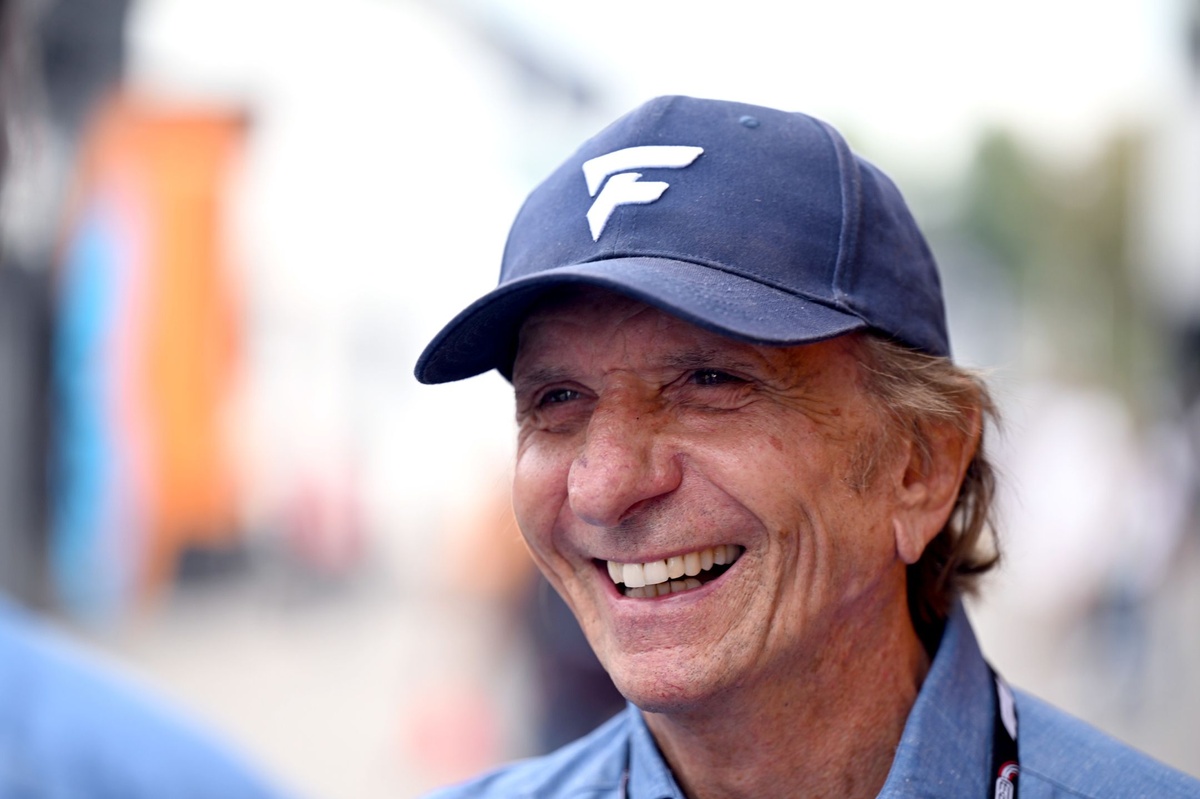
On Jogo Hoje, we keep a close eye on Formula 1 and the stories that make the machinery feel human again. And few tales hit that nerve harder than Emerson Fittipaldi’s own walk down memory lane, courtesy of the Beyond the Grid podcast.
The revelation on Beyond the Grid
In a conversation that sounded less like a press moment and more like a fireside confession, Fittipaldi admitted that after becoming the first Brazilian world champion in Formula 1 in 1972, he actually thought about quitting. Not “maybe next year.” Not “let’s see how it goes.” He talked about it like a door already half-closed.
Because winning does something dangerous to a driver’s head. It gives you closure. It makes you believe the dream is finally complete. And then, right when you’d expect the story to roll forward cleanly, he tells us he went back to Switzerland, sat down for a meal with his father and his brother, and floated the idea of stepping away after Monza.
Why he considered stopping after 1972
Let’s put ourselves in that moment. First world crown, the kind that rewrites history back home. A kid from São Paulo who’d chased the Grand Prix dream all the way to the top of the sport. When you land there, what’s left to prove?
Fittipaldi didn’t hide the logic. He said he told his father: “What else do I want? I left Brazil, I chased the dream, I won the world championship.” It’s a line that carries pride, yes, but also a very real sense of satisfaction. In his mind, the mission had been accomplished. Why keep hammering the same wall if the goal is already on the wall?
And still, this is the kind of decision that can change careers at the speed of a pit stop. One choice away from a different timeline for the legacy brasileiro in F1.
The father’s advice and the change of route
Then dad cut through the emotion with hard reality. As Fittipaldi tells it, Wilson Fittipaldi warned him that if he truly loved racing the way he claimed he did, he’d be back in F1 within one, two, or three years. But when he returned after a break, it would be tougher—because racing doesn’t pause for nostalgia, and the sport’s risks don’t politely wait.
That’s the part people often miss when they treat “retirement talk” like a headline stunt. The advice wasn’t about fear. It was about timing. About momentum. About the fact that in motorsport, you don’t just lose speed—you lose rhythm, confidence, and feel. And at that level, feel is currency.
So the plan shifted. Instead of walking away, he leaned into a new challenge. A driver with a fresh bicampeonato mundial on the horizon wasn’t going to be satisfied by a single chapter.
What came next: Lotus, McLaren, and the double
Following that counsel, Fittipaldi stayed in the career na Fórmula 1 story rather than handing it a goodbye note. He remained with Lotus in 1973, keeping the momentum alive while the sport kept moving like it always does.
The next turn was big. In 1974, he switched from Lotus to McLaren—a move that, in hindsight, feels like destiny tightening its grip. And it paid off. Two years after the first crown, he secured the second world title, completing the run that turned “almost quitting” into a historic detour with a happy ending.
But the legacy didn’t stop at the trophies. In 1976, he joined forces with his brother, Wilson Fittipaldi Jr., in the Copersucar-Fittipaldi project—an effort that made the Brazilian presence even more tangible. That’s how decisions become culture: not only by winning races, but by building something that outlives the helmet.
The importance of this decision for Brazilian F1 history
There’s a reason this story keeps resurfacing whenever people talk about greatness and the fragile line between finishing and fading. If Fittipaldi had truly stepped away after 1972, how different would the Brazilian motorsport map look today?
Because his choices didn’t just deliver results. They shaped narratives. They proved that a legado brasileiro in F1 wasn’t a one-off miracle; it was the start of a pipeline. The first crown in 1972, the second title in 1974, the shift from Lotus to McLaren, and then the bold move toward Copersucar-Fittipaldi in 1976 all point to the same thing: staying in the game long enough to turn personal glory into infrastructure.
That’s why the Beyond the Grid episode matters. It’s not trivia. It’s a reminder that even champions flirt with doubt, and that sometimes the difference between “what if” and “what happened” is one conversation at the table.
O Veredito Jogo Hoje
Here’s our take, with zero sugarcoating: Fittipaldi’s near-exit wasn’t just a personal moment—it was a fork in the road for the sport’s Brazilian chapter. The father’s advice didn’t merely keep him racing; it protected the sport’s momentum and, by extension, the legacy brasileiro that followed. In a discipline where careers can combust in a season, that decision reads like a strategic masterclass disguised as family talk. Assinado, JogoHoje.
Perguntas Frequentes
Em que ano Emerson Fittipaldi conquistou seu primeiro título na F1?
Emerson Fittipaldi conquistou seu primeiro bicampeonato mundial? Não: o primeiro título mundial foi em 1972, pela Lotus.
Por que Fittipaldi pensou em se aposentar depois de ser campeão?
Porque, após o título de 1972, ele sentiu que o sonho já estava realizado e disse que “o que mais eu quero?” Ainda assim, o conselho do pai o fez entender que a volta seria mais difícil no futuro.
Com quais equipes ele conquistou seus títulos mundiais?
Ele conquistou o primeiro título em 1972 pela Lotus e o segundo em 1974 pela McLaren.