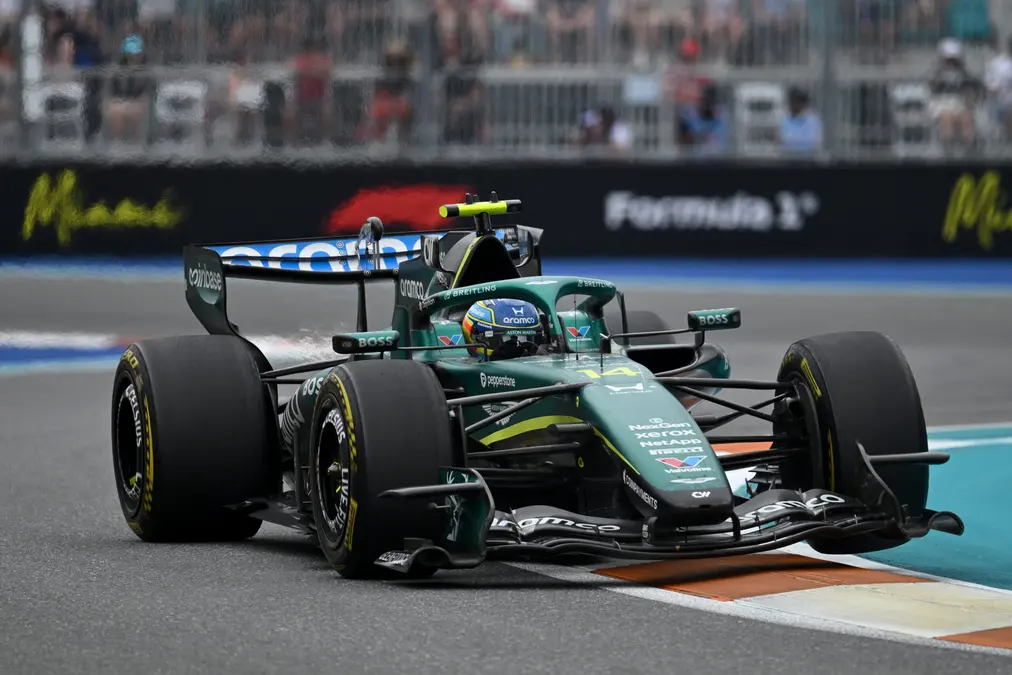
In a tight regulatory chess match, the FIA has adjusted the ADUO (Additional Development and Update Opportunities) evaluation windows and, more importantly, broadened the concessions for teams and manufacturers sitting on a power deficit. According to our editorial desk at Jogo Hoje, this is the kind of technical tweak that doesn’t scream for headlines, but can absolutely change who’s able to close the gap when the season stretches on.
At the center of the change is practical leverage: extra testing time tied to the dynamometer, plus more budget cap headroom for the manufacturers furthest behind on performance. If you’re watching the 2026 power-unit rollout with any tactical seriousness, you’ll know what that means—more iterations, faster feedback loops, and a development rhythm that rivals can’t easily match.
What the FIA changed in ADUO
The FIA’s latest regulatory revision alters how it evaluates updates under ADUO and updates the concession structure for manufacturers with larger deficits. The mechanism remains the same in spirit: the FIA assesses each power unit’s output, then grants operational and financial relief to help reduce the difference versus the reference leader.
But the devil is in the timing and the thresholds. The first evaluation window now ends after the GP of Canada, and a new bracket is introduced for manufacturers with a power deficit above 10%. That bracket carries materially bigger concessions than the previous range.
To put the deficit into plain numbers, internal combustion power units are currently below 600 hp. A 10% shortfall compared to the reference figure is roughly a 60 hp gap—big enough to justify a distinct treatment in the rules. And yes, that’s where Honda’s current situation, as Aston Martin’s engine partner, becomes strategically relevant.
Why the GP of Canada became the new key date
The calendar chaos early in 2026 forced the FIA to recalibrate. With the Bahrein and Saudi Arabia rounds postponed, the FIA needed a fair way to keep ADUO measurement windows aligned with real-world track data. So the first evaluation window was pulled forward by one event compared to the earlier plan.
Originally, the first window would have covered the first six race events, taking it through the GP of Miami. After a later ratification meeting that bundled these ADUO revisions with other regulatory adjustments, the FIA and the manufacturers converged on a new consensus: end the first window after Canada.
Tactically, Canada matters because it’s the point where the FIA estimates the deficit bands using a statistical cross-check. The FIA combines factory-side measurements with track-side readings, applying an averaging approach that uses the best-performing car from each engine manufacturer as the reference. In other words, it’s not just a “feels fast” exercise—it’s structured, data-driven, and built to prevent teams from gaming the system through optics alone.
How the evaluation windows run up to Mexico
Once the first window is moved to end in Canada, the FIA adjusts the downstream schedule to keep the overall development cadence balanced across the season.
First window: ends after the GP of Canada.
Second window: runs from Monaco to Hungary, keeping it as a five-race stretch and aligning it with the last leg before the European summer pause.
Third window: extends by one additional step and still finishes in Mexico, as originally planned.
For teams and engine partners, this is more than paper reshuffling. Each janela de avaliação defines when you can deploy updates and when you’ll be judged for concessions. Miss the rhythm, and you’re paying for it in timing—when you’re trying to recover from a power deficit, timing is almost everything.
The extra package that favors Honda
Here’s the part that changes the competitive map. After an earlier general increase to allowed testing time, the FIA adds a specific category for manufacturers with a power deficit above 10%. That category is where Honda’s development calculus gets sharper, because it directly links more hours of operation to the gap.
Under the new structure, manufacturers in this >10% deficit bracket receive 230 additional hours of operation. That’s an increase of 40 hours compared to the prior band for deficits between 8% and 10%. When you’re running iterative calibration and update cycles, those extra hours aren’t theoretical—they translate into more dynamometer runs, more validation, and more confidence that a change won’t bite you later in race conditions.
And ADUO doesn’t live in isolation from the money side. The FIA also ties relief to the teto orçamentário through reduced costs included in the budget. That’s the second lever that matters in 2026: if you can spend less of the cap on constrained items, you can redirect resources to development and homologation of new units across the season.
For the >10% deficit group, the cost reduction rises to €11 million (about R$ 63 million), unlocking €3 million (around R$ 17 million) more than the previous limit. On top of that, there’s a one-time payment of €8 million (about R$ 46 million) scheduled only for this year.
This is where the “hidden advantage” becomes visible. The Honda/Aston Martin power-unit program isn’t just getting more track time—it’s getting more structured development time under the FIA’s own measurement framework, plus budget cap flexibility to keep upgrades moving without hitting the ceiling as quickly.
Testing hours, budget cap, and the real impact in F1 2026
Let’s talk like engineers for a second. In modern F1, the gap between “we have an upgrade” and “the upgrade actually works at race pace” is measured in iteration cycles: calibrate, run, validate, repeat. ADUO’s dynamometer-linked hours of operation support that loop. More hours mean more data points, more mapping refinement, and a faster path from hypothesis to usable performance.
Then the teto orçamentário piece kicks in. Even if you have the ideas, you still need the financial breathing room to execute them under the homologation and development constraints. The FIA increasing the reductions to €11 million and adding the €3 million uplift is effectively additional runway—especially relevant for manufacturers with a stubborn déficit de potência that doesn’t vanish after one weekend.
So when the FIA moves the evaluation windows—first to Canada, then Monaco-to-Hungary, then an adjusted stretch to Mexico—it’s shaping when manufacturers can expect confirmation of their deficit bands. That timing affects how aggressively they can plan upgrades before the FIA recalculates. If you’re chasing the leader—likely Mercedes based on early results—your calendar has to match the rules’ calendar.
And yes, the current baseline matters: with internal combustion power units delivering under 600 hp, a >10% deficit is a steep hill. That’s why the FIA’s new threshold isn’t cosmetic. It’s a targeted concession that, in practice, can accelerate Honda’s ability to close the gap relative to other engine partners with smaller shortfalls.
What this could change in the fight between manufacturers
Competitiveness in 2026 won’t hinge only on who designs the fastest hardware at launch. It’ll hinge on who sustains the development pace between measurement moments. With ADUO, the FIA is effectively telling the market: “If you’re behind by enough, you’ll be allowed to work longer and spend more flexibly—at specific points in the season.”
That changes strategic behavior. Expect Honda to push more confidently through the periods leading up to the evaluation checkpoints, because the >10% deficit bracket provides a clearer development incentive. Engine partners outside that bracket will still have ADUO access, but the relative delta—especially the extra 230 hours and the added budget relief—creates an uneven playing field in practical terms.
Meanwhile, the leader’s advantage isn’t automatically erased. The FIA isn’t giving equality. It’s giving targeted correction. The result could be a season where the mid-pack engine gap narrows faster in one direction, forcing rivals to respond with their own upgrade strategy rather than relying on long-term assumptions.
O Veredito Jogo Hoje
This isn’t “Honda got lucky” territory—it’s regulatory math turning into stopwatch advantage. By shifting the janela de avaliação cadence and carving out a dedicated >10% déficit de potência bracket with extra horas de operação and stronger teto orçamentário relief, the FIA has basically handed Honda an engineering timeline they can plan around. In a season where every update cycle is priced in data and dynamometer time, that’s not a footnote—it’s a development tempo swing, and rivals should be worried.
— Jogo Hoje | Analista Tático
Perguntas Frequentes
What is ADUO in Formula 1?
ADUO (Additional Development and Update Opportunities) is the FIA mechanism that grants manufacturers extra opportunities to develop and update their power units during the season. It’s tied to measured performance and uses evaluation windows to determine where each manufacturer sits in deficit bands.
Why was Honda favored by the FIA’s changes?
Because the FIA introduced a new concession category for manufacturers with a power deficit above 10%, granting Honda (as Aston Martin’s engine partner) additional hours of operation and increased budget cap relief. That combination supports more rapid development under the dynamometer and provides more financial room to homologate and execute updates.
How much did the FIA increase in testing hours and budget limits?
For the >10% deficit bracket, the FIA added 230 additional hours of operation, which is 40 hours more than the previous 8% to 10% range. On the budget side, cost reductions rise to €11 million, unlocking €3 million more than the earlier limit, plus a one-time €8 million payment for this year.