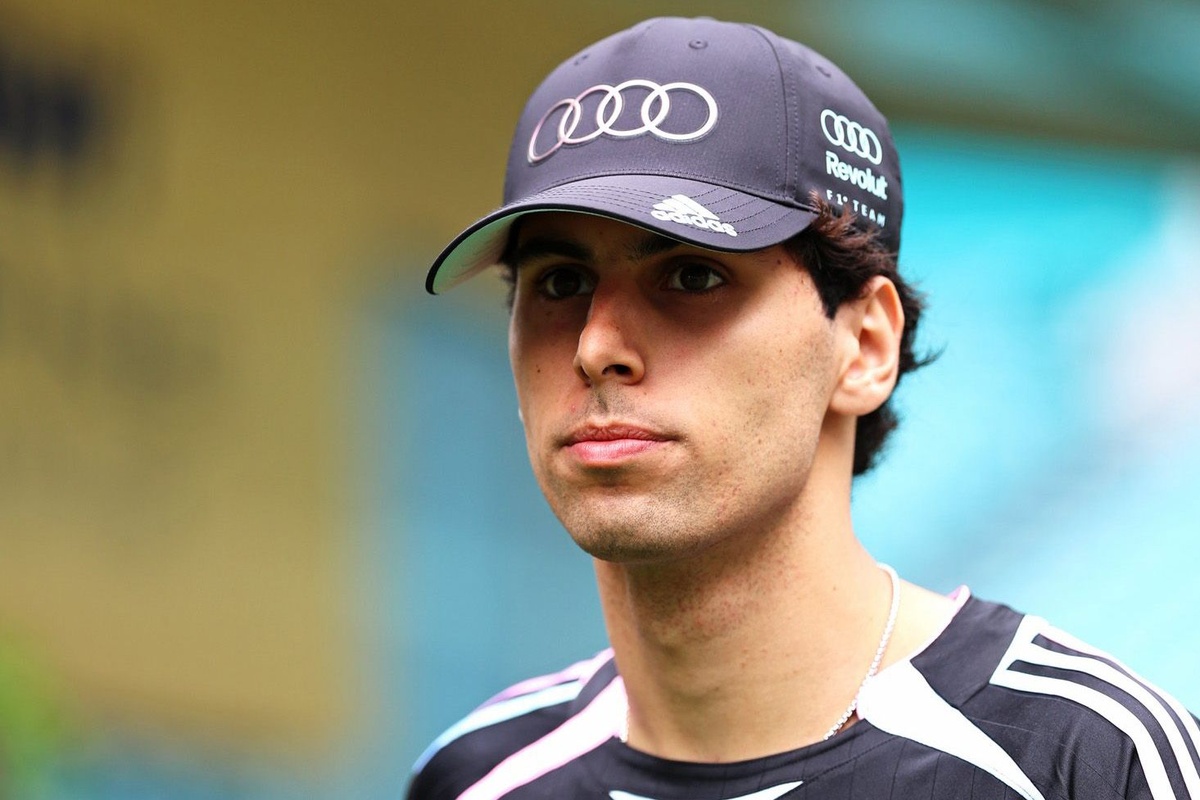
Second season as a full-time starter in the grid da Fórmula 1 and Gabriel Bortoleto already sounds like a driver who’s learned the real language of racing: not just speed, but how you share space when the disputa roda a roda turns physical and the margins get thin. According to Jogo Hoje, the key detail is his sense that he’s Jogo Hoje being treated with the same seriousness he brings, even when the battle is right up against the wall.
In an interview with the podcast Pitstop, Bortoleto framed his development with a simple, tactical idea: you can be aggressive without being reckless, and you can be competitive without turning rivals into enemies. That’s not PR fluff. That’s how you survive a season in the same paddock where everyone watches how you behave under pressure.
Bortoleto’s words on Pitstop
The context matters. In his segunda temporada de Gabriel Bortoleto como titular na Fórmula 1, he’s no longer the rookie everyone tests. He’s one of the names teams plan around, and that changes the way you’re read in close quarters. Asked about his friendship with Oliver Bearman, and whether he’d still “go for dinner” if they collided in a race, Bortoleto answered with a racer’s realism: not on the same day, then he underlined the bigger truth of the sport.
His line was clear and direct. If an error happens, it happens because both are fighting for position, and when you keep battling, contact becomes inevitable at some point. Then the pivot that’s pure professionalism: you precisamos separar a vida pessoal e profissional. You don’t carry grudges into the next weekend like it’s a personal feud.
Respect on the grid: how he sees fights in F1
Bortoleto’s tactical takeaway is that “fair” in F1 isn’t about being soft. It’s about being predictable while you push. He said he’s always fair with Bearman when they compete, and that he expects the same in return. If one of them makes a mistake, the other doesn’t assume bad intent. That mindset is what stops a rivalidade esportiva from turning into something uglier.
And then he adds the part that’s really telling for how he manages risk. He doesn’t pretend the gaps are huge. He said they still race hard, still push to the limite de aderência. In other words, he’s not “protecting” anyone. He’s just making sure the aggression is controlled, not chaotic.
That’s the difference between pilotagem agressiva that earns respect and aggressive driving that burns bridges. When Bortoleto says he believes everyone respects him back in the grid da Fórmula 1, we should read it as a confidence that his positioning choices are being understood, not simply feared.
Bearman, Verstappen and the line between friendship and competition
He doesn’t talk like a fan. He talks like someone who’s watched the sport long enough to know how rivalries get manufactured. When he was asked about whether he competes differently depending on who’s coming for his slot, he insisted on a consistent baseline: you have to competir com todos da mesma forma. Same rules, same intent, same respect for the craft.
But he also admitted there are drivers you “force a little more,” because they’re harder to predict or more demanding to challenge. That’s not name-calling. That’s tactical calibration. You adjust your pressure based on the opponent’s tendencies, because the job requires reading behavior, not just chasing lap times.
And yes, he mentioned Max Verstappen directly. His point wasn’t to flatter. It was to explain the reality of top-level racing: in modern F1, the talent is high enough that drivers can go to the limit without needing to make contact every time. That’s why he said he doesn’t race differently whether it’s Bearman, Verstappen, or anyone else. The fun of the work is that it stays sharp without being dirty.
So where does the friendship sit? Right where it should: outside the collision window. He can be friendly off-track, but on-track it’s about the job. That’s how you keep the sport professional while still letting the competitive fire burn.
What this says about his evolution in the category
Bortoleto’s comments read like a driver who’s moving from “survive the grid” to “manage the grid.” The second-season jump is always about timing: knowing when to attack, when to hold, and when to accept that a disputa roda a roda can’t be forced without paying in steering and traction later.
He’s also showing a maturity in image management that younger drivers often struggle with. Instead of turning every close call into a storyline, he’s reinforcing respeito entre pilotos as a performance metric. That’s crucial in a category where the rivalidade esportiva is constant, but the politics are subtle.
And the tactical honesty about “some drivers are harder” tells you he’s not naïve. He’s learning who demands more commitment in braking zones, who closes gaps with ruthless consistency, and who punishes late decisions. That’s exactly what you want from a driver trying to grow into a championship-grade mindset.
O Veredito Jogo Hoje
We’ll say it straight: Bortoleto’s best weapon isn’t just lap time, it’s conduct. When he talks about pushing “on the limit” while still believing in respeito entre pilotos, he’s describing the sweet spot every serious driver hunts for: separar vida pessoal e profissional so the wheel-to-wheel fight stays clean in intent, even if the contact risk is real. That’s how you build trust in the grid da Fórmula 1—and trust is currency when the racing gets spicy.
Perguntas Frequentes
What did Gabriel Bortoleto say about fights on track?
He said he races everyone the same way, pushing hard and staying close to the limite de aderência, but without changing his approach based on who the opponent is. He also stressed that collisions can happen because both are fighting for position.
Who did Bortoleto cite in the interview?
He talked about his friendship and on-track fairness with Oliver Bearman, and he also referenced Max Verstappen when explaining that he doesn’t race differently against top rivals.
Why does Bortoleto’s comment stand out in F1?
Because it connects behavior to performance: he frames respeito entre pilotos and professionalism as part of how to handle disputa roda a roda under pressure, showing a mature balance between rivalry and personal conduct.